

Window of Opportunity Grant Project

Hillburn Academy
7100 Hilburn Academy Rd., Raleigh, NC
Wake County
Project: The Hilburn Pollinator Learning Corridor - Bees, Butterflies & Beyond
Application Request/Project Summary:
Hillburn Academy
Project: The Hillburn Pollinator Learning Corridor - Bees, Butterflies & Beyond
Narrative / Scope of Work
A K–8 Outdoor Classroom Dedicated to Native Pollinators and Sustainable Habitats
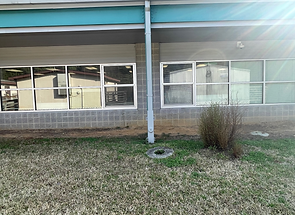
The Hilburn Pollinator Learning Corridor: Bees, Butterflies & Beyond will transform an underused grassy area (near 4th and 5th grade trailers) into a vibrant, sustainable outdoor learning environment. The space will include a Native Plant Pollinator Corridor, a Butterfly Life Cycle Garden, a Bee Habitat Zone, a Pollinator Observation Deck, and Student-Made Educational Signage.
This will be a living laboratory where students in grades K–8 can engage in hands-on investigations of pollination, migration, ecosystems, data collection, and environmental stewardship. The project directly supports year-round learning in literacy, math, art, and especially science, including life cycles, weather, ecosystems, sustainability, and interdependence of living organisms.
Key Components
Hilburn Pollinator Learning Corridor:
-
Native Plant Pollinator Corridor with milkweed, coneflower, mountain mint, asters, bee balm, black-eyed Susans, goldenrod, and annual nectar plants.
-
Butterfly Life Cycle Garden featuring host plants (milkweed, dill, fennel, parsley) and nectar flowers with a “Life Cycle Viewing Zone.”
-
Bee Habitat Zone including mason bee hotels, hollow stems, logs with drilled holes, sandy soil patches, and water sources for native bees.
-
Pollinator Observation Deck with seating for sketching, data collection, and scientific investigations.
-
Student-Made Signage such as “Meet the Monarch,” “Why Bees Matter,” “Host vs. Nectar Plants,” and
“Life Cycle of a Bee.”
-
Optional Sustainability Add-Ons such as a rain barrel, compost tumbler, wildflower seeding area, or leaf-litter overwintering zone.
Purpose & Expected Impact Purpose of the Project:
The Pollinator Learning Corridor is designed to:
-
Support native pollinators—including bees, butterflies, and beneficial insects.
-
Serve as a K–8 outdoor classroom that integrates science, literacy, math, art, and environmental stewardship.
-
Provide hands-on learning opportunities year-round.
-
Inspire students to take ownership of sustainability initiatives.
-
Create a beautiful, functional, and ecologically rich outdoor space for the entire school community.
Key Learnings for Students:
-
Connected to the aligned NC K–8 science standards:
-
Life cycles of butterflies, bees, and plants.
-
Interdependence between organisms and their environment.
-
The role of pollinators in ecosystems and food webs.
-
Human impact on the environment and sustainable solutions.
-
Weather and climate effects on living organisms.
-
Data collection, graphical representation, and scientific reasoning.
Impact on Students and the School:
-
Hands-on STEM Learning: Students become active investigators—collecting data, observing patterns, and engaging in inquiry-based learning.
-
Cross-Curricular Integration: Writing, art, math graphing, and digital literacy (QR-coded signage) enrich the learning experience.
-
Student Stewardship: Student teams (Bee Team, Butterfly Team, Water Warriors) cultivate responsibility and leadership.
-
Environmental Awareness: Students learn about conservation and the global importance of pollinators.
-
Community Engagement: Creates opportunities for partnerships with NC State Entomology, Raleigh Parks, local garden clubs, and the NC Museum of Natural Sciences.
-
Campus Beautification: The school gains a long-lasting, sustainable, visually inviting outdoor space.
Project Site Photos
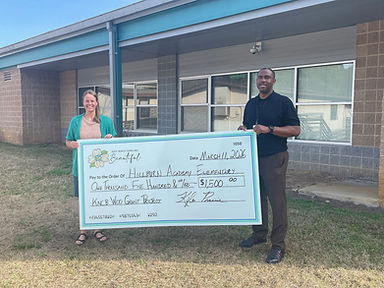
KNCB Visit / Pre-project


Project Site Area



Project Development
Project Development Photos Coming
Soon...
Project Completion Photos
Project Completion Photos Coming
Soon...