

Window of Opportunity Grant Project

Bethel Elementary School
2425 Midland Road, Midland, NC
Cabarrus County
Project: Sustaining the Future
Application Request/Project Summary:
Bethel Elementary School
Sustaining the Future
Statement of Purpose
At Bethel Elementary school in Cabarrus County we would love to be able to provide our students with a learning garden, made possible through the support of the Window of Opportunity Grant.
Many of our students do not have access to hands-on, outdoor learning opportunities like the ones a learning garden would provide. They will learn about plant life cycles, ecosystems, soil, and weather, while also building academic connections in math by measuring plant growth, spacing seeds in arrays, and tracking data over time. Most importantly, they will learn to work together to create something lasting and meaningful for our school community.
We are committed to maintaining our garden space and integrating it into classroom instruction while also ensuring that every student has the opportunity to participate. We are so grateful for the chance to bring this vision to life with the support of Keep North Carolina Beautiful!
School Learning Garden Project Timeline
Winter 2026 (Planning & Preparation Phase)
January 2026
-
Receive grant funds from Keep North Carolina Beautiful
-
Finalize garden layout and location on school grounds
-
Order and assemble five raised garden beds
-
Purchase soil, compost, frost barriers, seeds, and plants
-
Engage staff and volunteers in a Garden Build Day to fill beds and prepare the site
-
Introduce the garden project to students through classroom lessons on plants and ecosystems
-
Install frost barriers and prepare beds for early spring planting
-
Begin indoor seed-starting activities with students (science integration: plant life cycles and observation journals)
Spring 2026 (Planting & Learning Phase)
February – March 2026
-
Begin planting early crops: spinach, lettuce, kale, broccoli, cauliflower, and root vegetables
-
Integrate math lessons on measurement, arrays, and data collection
-
Continue garden journaling and class discussions on soil, water, and sunlight
April – May 2026
-
Plant warm-season crops: strawberries, tomatoes, peppers, cucumbers, and herbs
-
Host a Garden Launch Day to celebrate student planting efforts
-
Begin using the garden for ongoing science, math, and teamwork lessons
Summer 2026 (Maintenance Phase)
June – August 2026
-
Develop a watering and maintenance schedule with staff, families, or volunteers
-
Monitor plant growth and harvest early crops
-
Document garden progress with photos and student reflections
Fall 2026 (Harvest & Reflection Phase)
September – October 2026
-
Harvest remaining vegetables and herbs
-
Conduct reflection activities: garden journals, class discussions, and data review
-
Share garden outcomes with the school community through photos, displays, or a “Taste of the Garden” event
-
Prepare beds for winter with compost and frost covers
Ongoing (Sustainability & Growth)
-
Integrate garden lessons into yearly curriculum across grade levels
-
Continue composting and soil enrichment
-
Replant seasonal crops and expand student leadership in maintaining the garden
Project Site Photos
KNCB Visit / Pre-project

School Entrance

Grant Check Presentation

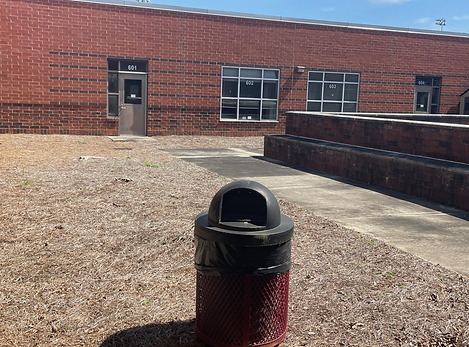
Project Site Area
Project Development


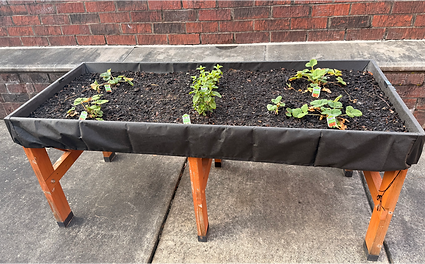


Here are some final pictures of our garden before summer break. Thanks to this grant, our students were able to plant seeds, care for the garden, and observe the entire plant life cycle firsthand. The garden quickly became one of the most exciting parts of our day, as students loved going outside to check on its progress and celebrate each new stage of growth.
This project provided meaningful hands-on learning experiences that encouraged curiosity, responsibility, patience, and teamwork. Students developed a deeper understanding of how plants grow and the care they require, while also building excitement for science and nature through real-world experiences.
During the last week of school, students painted shells to place in the garden as a special way to leave their mark on the space they helped create. One lesson learned from this project is the importance of ongoing care and student involvement throughout the year. Because of the positive impact this experience had on our students, I hope to start a gardening club next year so students across the school can help tend the garden and continue expanding its impact beyond just my kindergarten classroom.


