

Window of Opportunity Grant Project

Traphill Elementary
9794 Traphill Rd, Traphill, NC
Wilkes County
Project: Sustaining the Future
Application Request/Project Summary:
Traphill Elementary
Project: Sustaining the Future
Narrative & Purpose:
Traphill Elementary School, a small community school in the Wilkes County District in closest proximity to Stone Mountain, North Carolina, is seeking funding to transform our outdoor learning spaces into enriching hubs of sustainability and hands-on education. We have 75 total students, with roughly 80% living below the poverty line. With your support, we will plant a butterfly garden, upgrade our outdoor classroom, plant fruit trees and install a beehive. These items would complement the solar grid purchased and installed with a grant in 2023, and our greenhouse that was built with funds donated from a Traphill alumnus. Both of these sustainability tools, the grid and the greenhouse, are currently in use on our campus.
Key Learnings
Successful completion of this project would:
-
Enhance Biodiversity and Learning: Establishment of a butterfly garden that supports local pollinators and gives opportunities for hands-on lessons including insect life cycles, the role and importance of pollinators in our environment.
-
Update Outdoor Classroom: Improvements to the outdoor classroom to allow for more open air lessons for all classes and subjects.
-
Promote Self Reliance: Plant apple and peach trees to teach students about food systems, life cycles of trees, and responsible growing practices. Fruit will be free to community members who are in need, so students will learn the value of giving back to the community that supports our school.
-
Formation of the Wildcat Honey Club: Create a beehive program that teaches bee biology, ecosystem interdependence, sustainability, and responsibility.
Impact on Students and Community:
All of these pieces would benefit the school and community. Taking part in these activities will give students knowledge that they could share with their families and others. Community members and families would have access to fresh food and suitable meeting places. The expertise of those in the community would also be used to help make this a success. We could use 4H services and the local bee keeping group which may lead to other opportunities for our students. Having these experiences would provide students with skills and values that could continue to be used long after they leave Traphill. They would become more thoughtful, environmentally literate citizens.
Project Site Photos
KNCB Visit / Pre-project


School Entrance / Grant Check Presentation
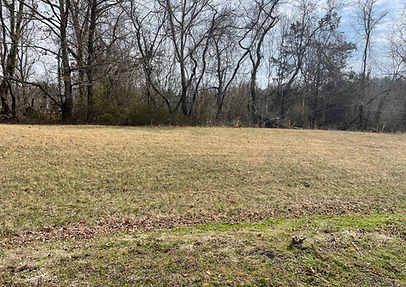


Project Site Area

Outdoor Classroom Area


Greenhouse Interior
Project Development


Traphill Elementary School - WOO Grant Project Learnings
Wow! Our Wildcats are learning so much about the importance of honeybees, the vital nature of pollination, and how weather can influence all things.
Directly after we first planted our fruit and veggie pollinator garden, the students were so excited to see our seeds germinate and grow. Unfortunately at this time, western North Carolina began experiencing a pretty substantial drought. They already knew, due to learning their NC Standards and the time they spent in our greenhouse, that seeds need moisture to germinate. The first time we planted green beans, corn, squash, cucumbers, beets, potatoes, and watermelon, very few plants appeared. The students were very disappointed in the fact that their hard work wasn’t going to lead to even getting to view pollination of the garden plants because they would not make it to the flowering stage. However, Wildcats have a motto, and it is…”Whatever It Takes!” These resilient students learned some very important real-world lessons that build even more resilience and perseverance. When at first your garden doesn’t grow, plant plant again! The second time seeds were sewn, we were luckily blessed with rain “showers,” and the garden began to grow.
You know the saying, “April showers bring May flowers?” We did not receive enough April showers, so we began making the small butterfly garden in early May and thought we had it complete. We were almost ready to plant our Butterfly Bushes and Milkweed, which the students learned is a vital food for Monarch butterflies, when...here come the May downpours and deluges. We were so thankful to receive the rain, but just like in places even harder-hit than our area of northwestern NC, like Lake Lure etc., we had a lot of areas washed away. With the runoff, since it is built on a hill, our landscaping material (stones, soil, even the weed-blocker) got washed down the hill. It was back to the drawing board for the butterfly garden as well. We currently have it held in place by some cute yard decor, but are considering moving it to a gentler slope. The students mentioned that once the flowering plants are installed, the erosion might not be as bad. How’s that for another life lesson?!
Being novice beekeepers, we were unaware that there is a window for ordering Italian honeybees, which are more docile than other kinds of honeybees. A local beekeeper who is working with our students found a honeybee swarm in a manhole, of all places. He went to catch the swarm for our school, only to discover that it was queenless. The swarm is currently at his home in one of his hives, “making a queen,” which takes 21 days. Honeybees do this by feeding one of the eggs a substance called “Royal Jelly’ that they produce. We were informed yesterday that the hive was checked, and the queen has hatched and is in place. We will be placing the new colony in our school hive very soon!
Project Completion Photos
Project Completion Photos Coming
Soon...